Birmingham · Hoover · Vestavia Hills · Mountain Brook · Trussville · Jefferson & Shelby County
Call now: (205) 555-0147

Epoxy Flooring Birmingham — Garage, Basement & Commercial Floor Coatings

Epoxy Flooring Birmingham coats garage floors, basements, patios, pool decks, driveways and commercial floors across the Birmingham metro, using polyurea and polyaspartic systems that go down in a day and hold up to Alabama heat and humidity.

Free on-site measurement. Written price before anything starts.

Free quote

We only use your details to answer your request.

Residential floor coatings in Birmingham

Most of what we do is concrete that somebody looks at every day and has stopped liking. Here is what that usually means.

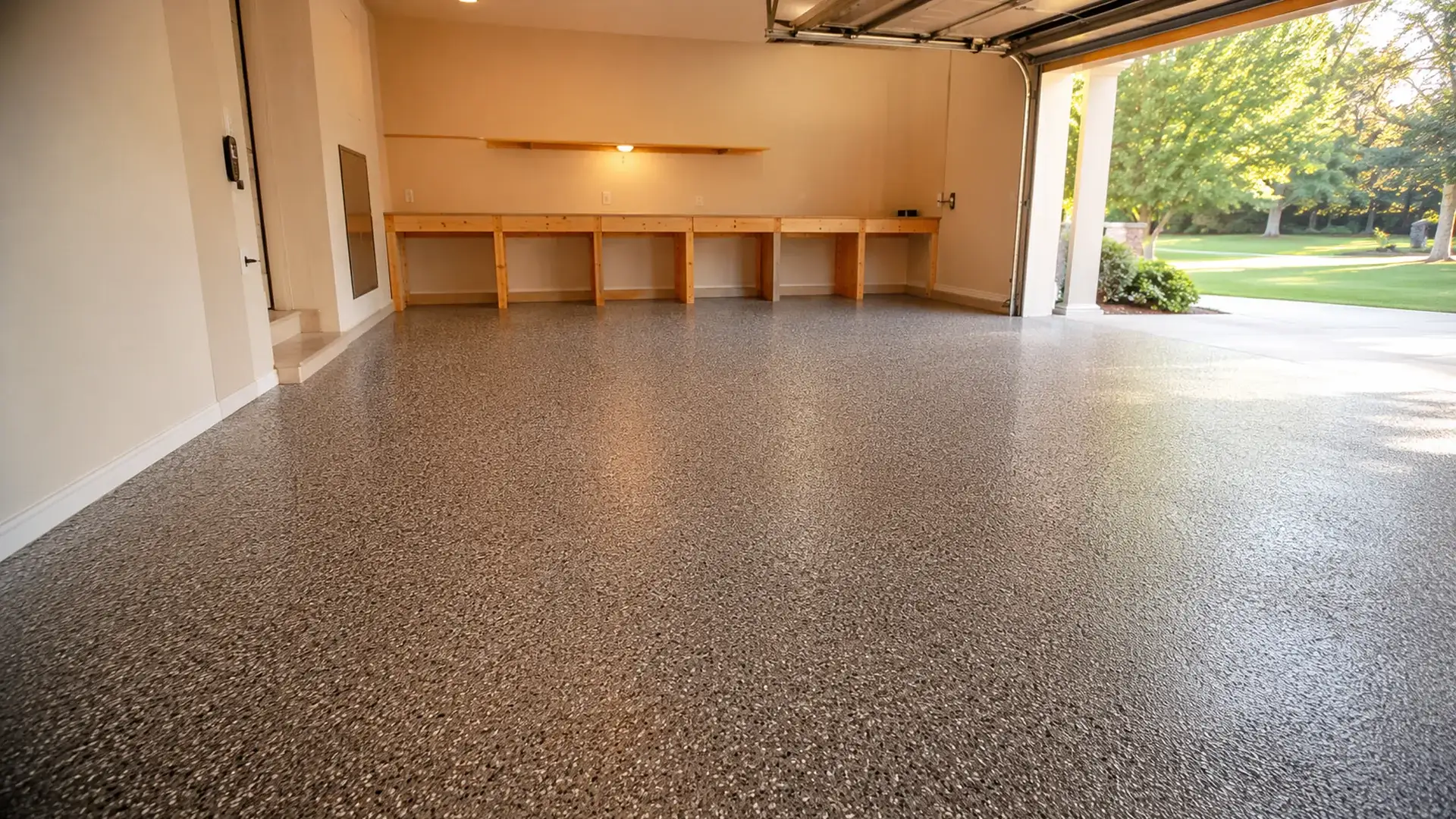
Garage floor coating

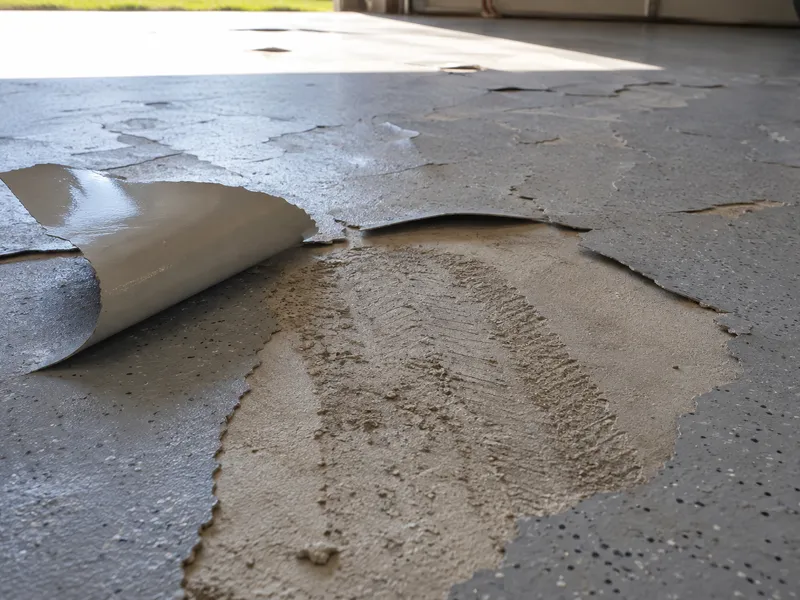
The one people call about. A ground and coated slab stops shedding dust, stops soaking up oil, and washes with a hose. In Birmingham the specific enemy is hot tyre pickup, which is what lifts cheap epoxy off the slab in strips after a summer of parking a warm car on it.

Garage floor coating →

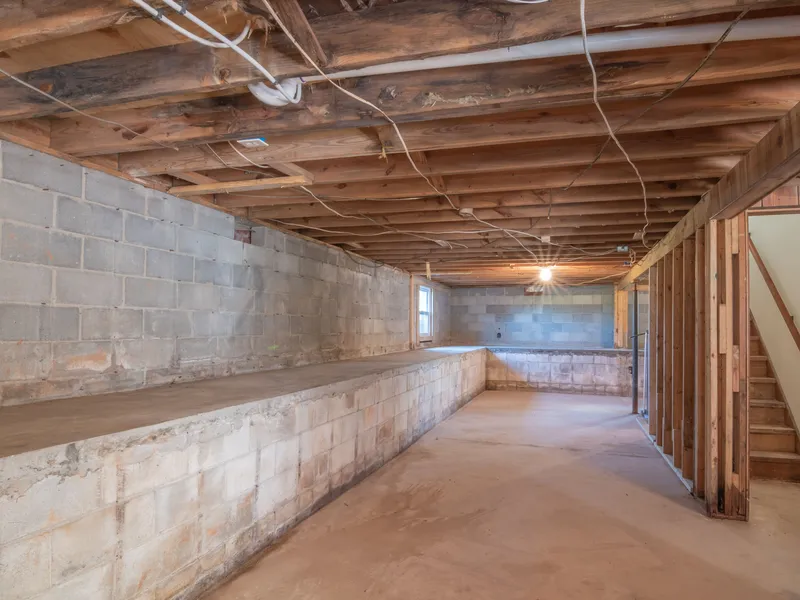
Basement floor coating

Older houses over the mountain and around Southside have basements poured before vapour barriers were standard. That changes what can go down. A coating on a slab pushing moisture upward fails from underneath, so this one starts with a calcium chloride test rather than a colour chart.

Basement floor coating →

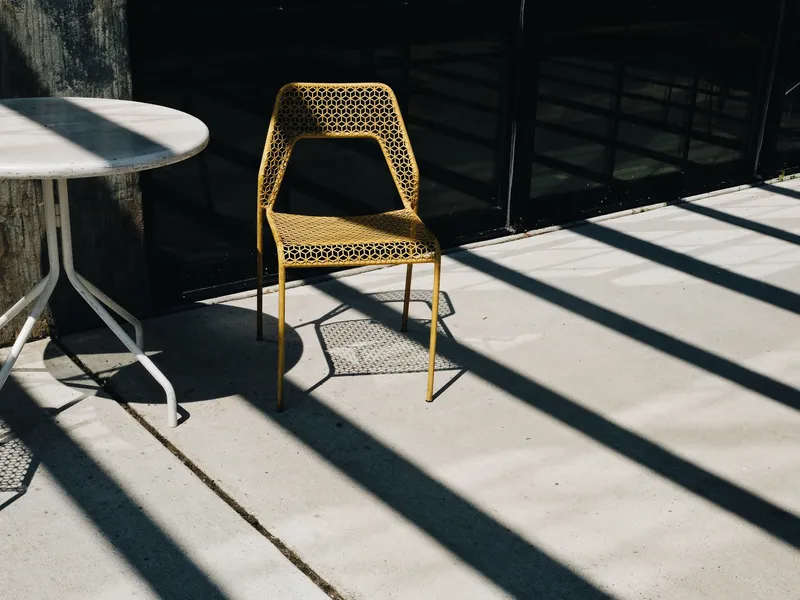
Patio coating

Outdoor concrete in Alabama takes UV nine months a year. Epoxy ambers and chalks under that; a UV-stable polyaspartic topcoat does not. Texture matters here too, because a smooth patio after an afternoon thunderstorm is a hazard.

Patio coating →

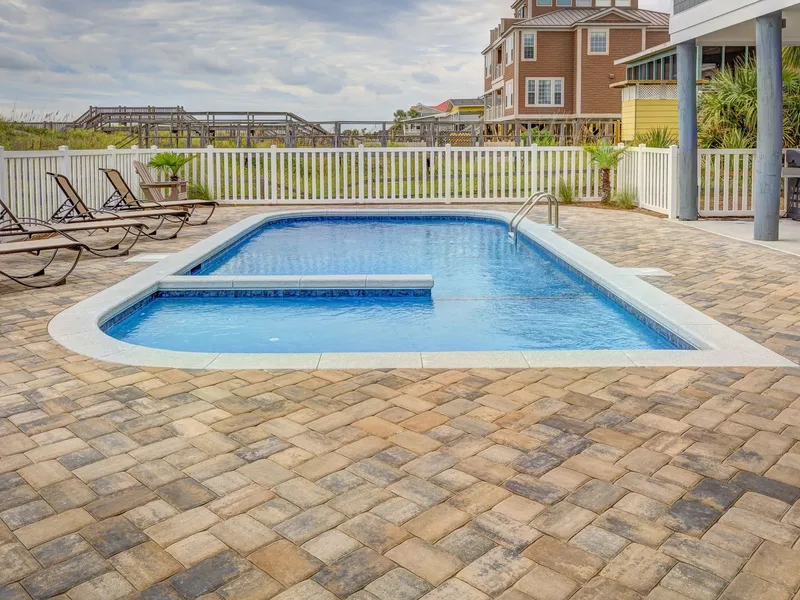
Pool deck coating

Two requirements that pull against each other: enough grip when wet, and a surface you can stand on barefoot in July without hopping. Lighter colours and the right aggregate do most of the work.

Pool deck coating →

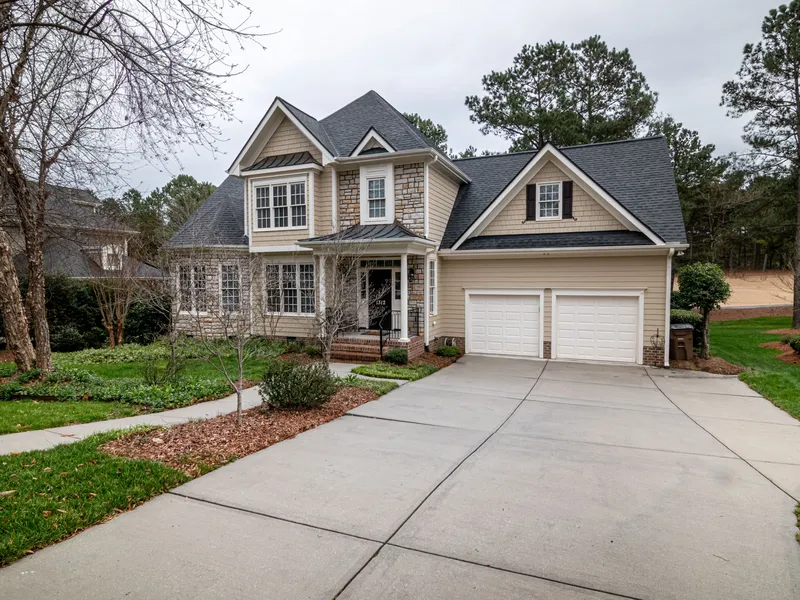
Driveway & walkway coating

Driveways move, crack and take vehicle weight, so they need a flexible system rather than a rigid one. Worth an honest conversation before you spend the money, because not every driveway is a good candidate.

Driveway coating →

Repair & recoating

Peeling, bubbling, flaking at the garage door line. Usually it is one of three things: the slab was never properly ground, moisture was never tested, or it was epoxy where it should not have been. All three are fixable, and the fix starts with removing what is there.

Repair & recoating →

Commercial & industrial floor coatings

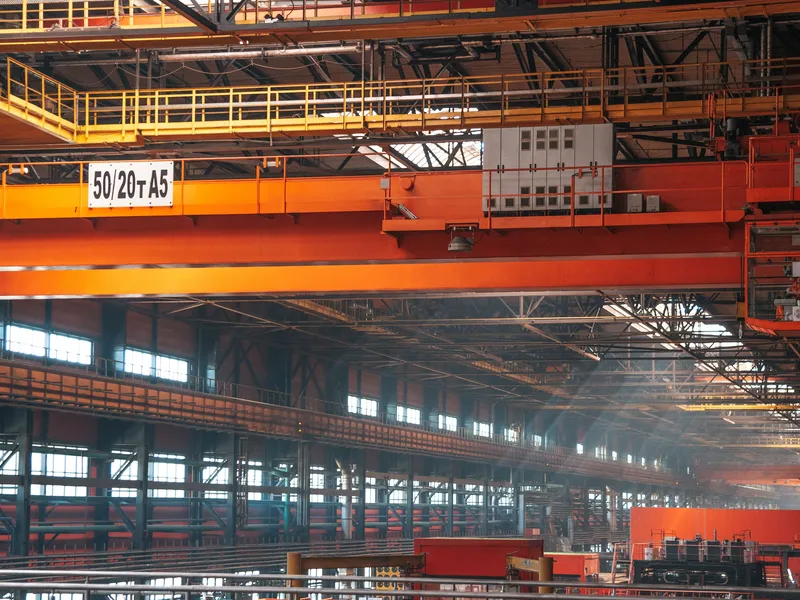
Different problem entirely. Here the floor has to survive forklifts, grease, thermal shock or a health inspector, and downtime costs more than the coating does.

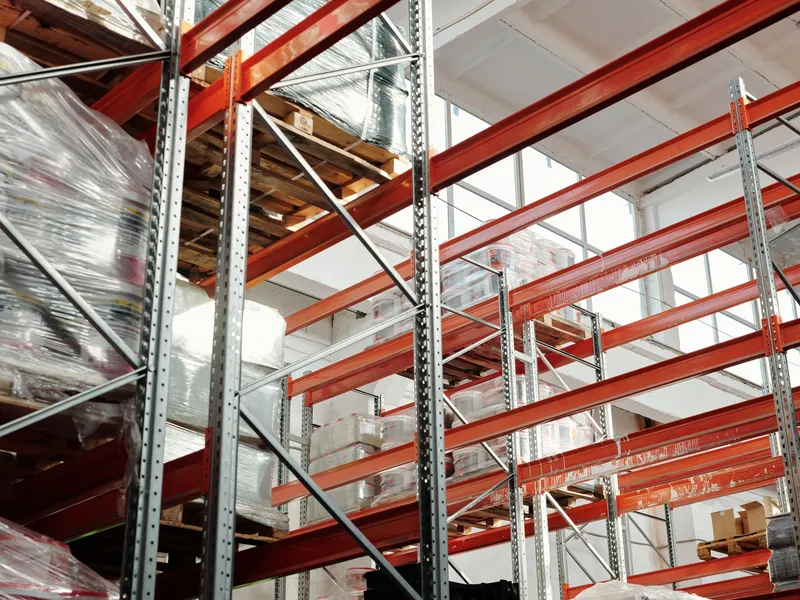
Warehouse floors

High-build systems that take pallet jacks and forklift traffic, plus line striping for aisles and safety zones. Scheduling around your operation is usually the harder half of the job.

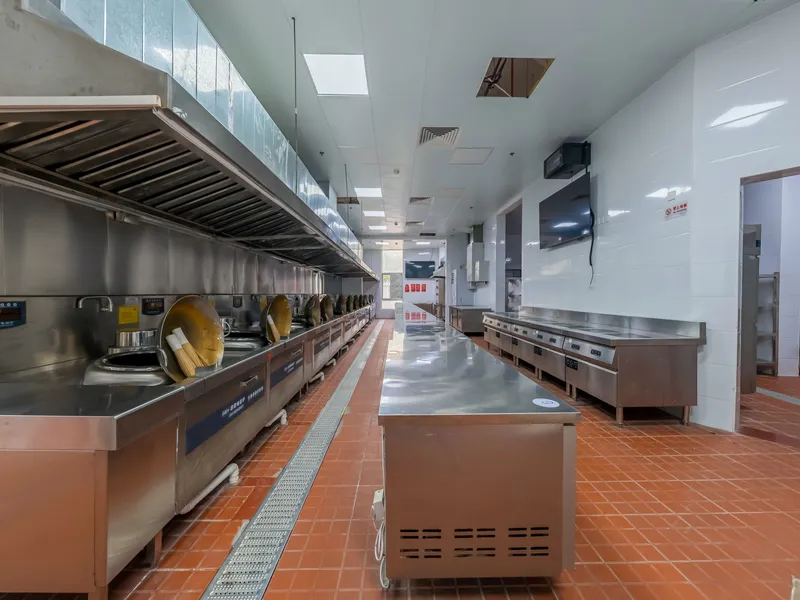
Commercial kitchens

Urethane cement rather than epoxy, because kitchen floors take boiling water, animal fats and steam cleaning. Coved bases and drainage falls are part of the work, not an extra.

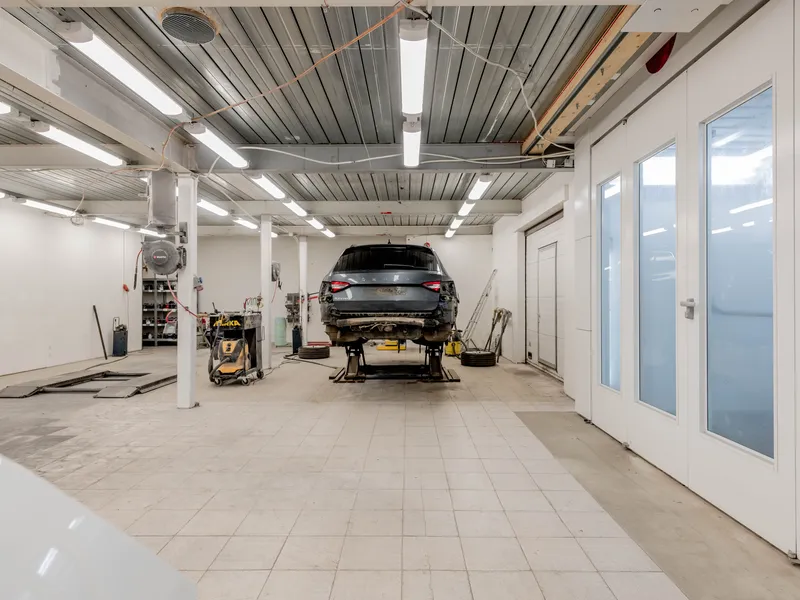
Auto shops & showrooms

Chemical resistance where the bays are, appearance where the customers walk. Often two different specifications inside the same building.

Industrial floors

Manufacturing and processing floors where the spec is driven by what gets spilled on it and how hot that is when it lands.

Polyurea, polyaspartic or epoxy — which one you actually need

Almost everyone searches for "epoxy". Almost nobody in this trade still installs it on a residential garage, and it is worth understanding why before you buy anything.

Epoxy is a two-part resin that cures hard. It was the original, the name stuck, and it is still the right answer for some interior industrial floors. Its weaknesses are specific: it cures over days, it ambers under UV, it is rigid rather than flexible, and it is vulnerable to hot tyre pickup, where a warm tyre bonds to the coating and lifts it off the slab.

Polyurea cures in hours, flexes with the slab as it moves through temperature swings, and does not have the hot tyre problem. It is what goes down as a base coat on most residential work now.

Polyaspartic is a polyurea variant that is UV-stable, so it goes on top. That combination is what allows a floor to be ground, coated, broadcast with vinyl flake and sealed inside a single day, and to still look right after five Alabama summers.

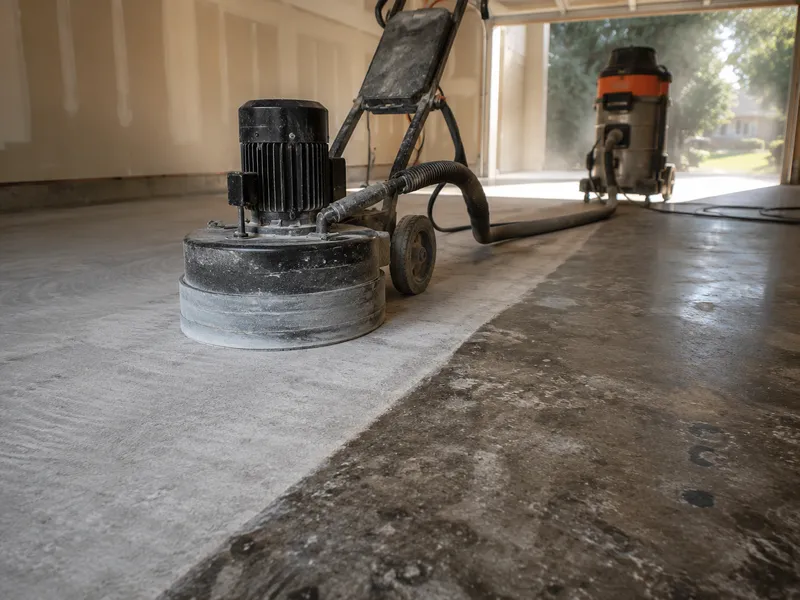
The system matters less than the preparation underneath it. A floor fails at the bond line, not in the middle of the coating. That means diamond grinding rather than acid etching, crack and spall repair before anything is applied, and a moisture test on any slab where vapour drive is plausible. Skipping the grind is the single most common reason a coating in this city is peeling three years later.

What a proper job includes

Mechanical preparation with a diamond grinder, or shot blasting on larger commercial slabs, until the surface has an open profile. Crack chasing and repair with a rigid filler. A moisture assessment where the slab warrants one, typically calcium chloride or relative humidity probes. Base coat, flake broadcast to refusal or to a partial density depending on the finish you chose, scrape and vacuum, then a UV-stable topcoat. Total film thickness on a residential garage generally lands in the 20 to 30 mil range.

Anyone who quotes you a price without seeing the slab is quoting a hope. The condition of the concrete is the variable that moves the number most, and it is not visible in a photograph.
Where we work in the Birmingham metro

Jefferson and Shelby County mostly, and each of these places brings its own kind of concrete.

See every area we cover →

Frequently asked questions

How much does a garage floor coating cost in Birmingham?

A standard two-car garage in reasonable condition usually lands somewhere in the low thousands. The number moves with square footage, how much repair the slab needs, and whether an old coating has to come off first. Removal of failed epoxy can add more than the new floor costs, which is why we look before quoting.

Can it really be done in one day?

With polyurea and polyaspartic, yes, on most residential garages. You can usually walk on it that evening and park on it after about 24 hours. What cannot be compressed is preparation: if the slab needs grinding, patching and drying, that is its own day.

My last epoxy floor peeled. Will this one?

Ask why the first one failed before you buy a second. In this climate it is nearly always inadequate grinding, untested moisture in the slab, or epoxy used where hot tyres were always going to lift it. A coating installed over the same conditions will fail the same way.

Do you coat basements that get damp?

We test them first. A slab with active vapour drive will push any coating off from underneath regardless of what it costs. Sometimes the answer is a moisture-mitigating primer, sometimes it is fixing drainage outside before we touch the floor.

Do you work outside Birmingham itself?

Across Jefferson and Shelby County routinely, and further for larger commercial work. If you are not sure whether you are in range, call and ask.

How long does it last?

A properly prepared polyaspartic floor in a residential garage should give you well over a decade before it needs anything. A poorly prepared one can fail in two. The difference is almost entirely in what happened before the first coat went down.

Not sure which system your floor needs?

Send a photo and rough dimensions and we will tell you what we would put down and roughly what it costs. If your slab is not a good candidate, we will tell you that too.